
Crawl Space Encapsulation vs. Vapor Barrier: Which One Does Your Home Actually Need?
Crawl Space Encapsulation vs. Vapor Barrier: Which One Does Your Home Actually Need?
If you've started researching crawl space moisture problems, you've probably seen both terms thrown around, sometimes even interchangeably. But crawl space encapsulation and a vapor barrier are not the same thing. A vapor barrier is just a single product, but an encapsulation is a complete system. Knowing the difference could save you thousands of dollars and a lot of frustration down the road.
In this blog, we'll break down exactly what each option involves, which one is right for your situation, and what Georgia homeowners specifically need to know.
|
Quick Answer A vapor barrier is a sheet of plastic placed on your crawl space floor to slow moisture from rising up through the soil. Crawl space encapsulation is a full system that covers the floor, walls, and vents with a heavy-duty liner, completely sealing the space from outside air and moisture. For most Atlanta-area homes, encapsulation is the more effective long-term solution. |
First, Let's Talk About Georgia's Humidity Problem
Atlanta sits in a humid subtropical climate zone, which means we deal with hot, muggy summers that push warm, moist air into every corner of a home and underneath it. The average annual humidity in metro Atlanta hovers between 65–75%, and that moisture has to go somewhere. Crawl spaces are especially vulnerable because they're naturally cooler than the outdoor air in summer. When warm humid air meets those cooler surfaces, you get condensation. That condensation feeds mold, wood rot, and pest activity. Over time, it can warp your subfloor, damage your insulation, and compromise the structural integrity of your home. This is why the crawl space solution that might be adequate in a drier climate often isn't enough here in Georgia.
What Is a Vapor Barrier?
A vapor barrier, or sometimes called a crawl space liner, is a sheet of polyethylene plastic that's laid across the dirt floor of your crawl space. It slows the rate at which soil moisture evaporates up into the air underneath your home.
What a vapor barrier does well:
• Reduces ground moisture evaporation into the crawl space air
• Is relatively inexpensive and quick to install
• Meets minimum building code requirements in many jurisdictions
• Provides a cleaner surface to walk on during inspections
What a vapor barrier doesn't do:
- It doesn't seal out humid air entering through vents or gaps in the foundation
- A standard barrier tears easily and degrades over time
- It doesn't address wall moisture or condensation on pipes and joists
- It won't prevent mold growth on surfaces above the liner
What Is Crawl Space Encapsulation?
Crawl space encapsulation takes the concept of a vapor barrier and transforms it into a complete, sealed system. Instead of just covering the floor, encapsulation involves
- Installing a heavy-duty liner across the entire floor
- Running the liner up the foundation walls and securing it at the top
- Wrapping structural piers and columns within the crawl space
- Sealing all crawl space vents to prevent outside air infiltration
- Installing a drainage system if water intrusion is present
- Adding a high-performance dehumidifier to regulate humidity inside the space
When done properly, your crawl space becomes a conditioned environment like a dry, sealed room under your home. Outside air and moisture simply can't get in.
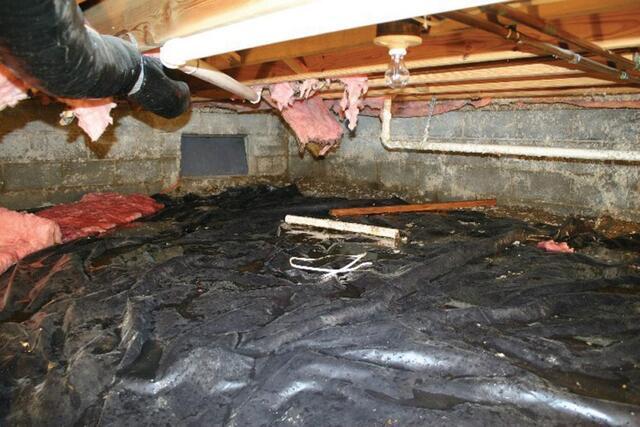
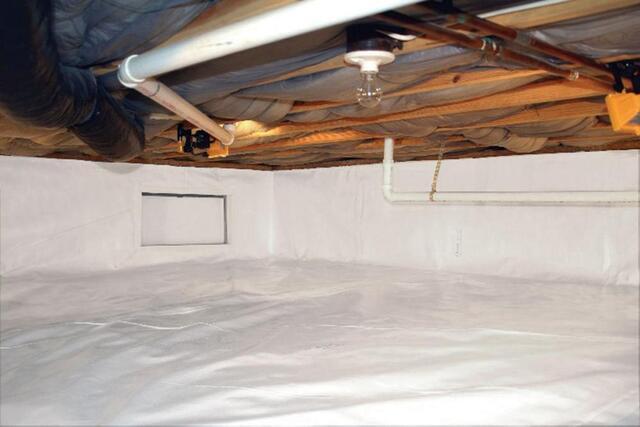
|
Why Vent Sealing Matters For decades, building codes required crawl space vents because of a mistaken belief that "letting a space breathe" would keep it dry. We now know the opposite is true in humid climates like Georgia's. Open vents invite warm, moist summer air directly into the crawl space, making moisture problems dramatically worse. Modern encapsulation seals those vents permanently. |
Signs You Need More Than Just a Vapor Barrier
A basic vapor barrier might be all you need if your crawl space is dry, well-ventilated in the right way, and you're simply maintaining a home that's already in good shape. But for most Georgia homeowners we work with, the situation calls for encapsulation. Here are the warning signs:
Moisture and water signs:
- Standing water or puddles in the crawl space after rain
- Visible condensation on pipes, joists, or the underside of the floor
- Efflorescence (white chalky deposits) on concrete walls
- A musty or earthy smell coming up through floors or HVAC vents`
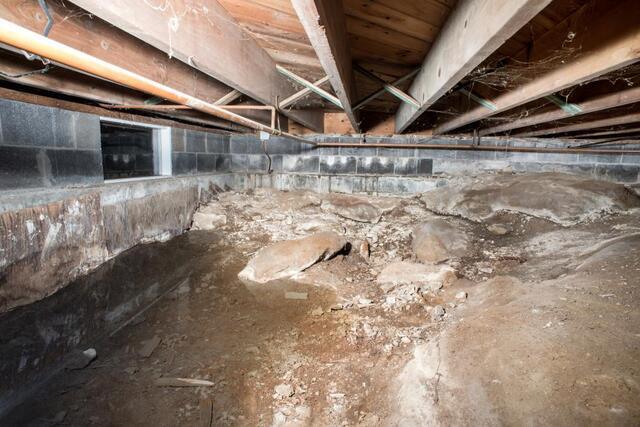
Structural warning signs:
- Squeaky, soft, or springy floors that have gotten worse over time
- Visible mold or dark staining on wood framing
- Insulation falling down or hanging in clumps from the floor above
- Wood rot on floor joists
Health and comfort signs:
- Worsening allergy symptoms or respiratory issues at home
- Higher-than-normal energy bills
- Increased pest activity, rodents and insects are attracted to moist, dark crawl spaces
If you're seeing any of these signs, a simple vapor barrier won't fix the underlying problem. It may slow things down temporarily, but moisture will continue to find its way in through the walls, vents, and any gaps in the barrier itself.
What About the Dehumidifier? Is It Really Necessary?
Short answer: yes, especially in Georgia.
Even a perfectly installed encapsulation system can struggle to maintain low humidity if the crawl space isn't actively conditioned. A high-performance crawl space dehumidifier, like the SaniDry Sedona, automatically monitors and controls humidity levels, exhausting moist air out and keeping the space consistently dry.
Without a dehumidifier, humidity can still build up inside the sealed space through everyday sources like HVAC condensation or even the natural off-gassing of concrete. A dehumidifier is what takes a good encapsulation job and makes it a great one.
So Which One Do You Actually Need?
Here's our honest take after working in Atlanta-area crawl spaces since 1987:
A vapor barrier alone is appropriate if: your crawl space is already well-maintained, dry, has no history of flooding or pest issues, and you're doing preventive maintenance on a healthy space.
Crawl space encapsulation is the right call if: you're dealing with any moisture, mold, musty odors, structural concerns, high energy bills, or comfort issues in your home. It's also the right choice if you're in a neighborhood with older homes and original construction, or in a lower-lying area where water management is already a consideration.
If you're not sure where you fall, that's exactly what our free inspection is for. There's no pressure and no obligation, we'll tell you honestly what we see and what we recommend. If a vapor barrier is all you need, we'll say so.
Frequently Asked Questions
Can I install a vapor barrier myself?
Technically yes, but it's harder than it looks. Getting proper coverage around piers, walls, and plumbing requires experience and the right materials. Gaps or improper sealing defeat the entire purpose. For encapsulation, professional installation is always recommended.
Will encapsulation fix my mold problem?
Encapsulation prevents future mold growth by eliminating the moisture mold needs to thrive. However, existing mold should be remediated before or during the encapsulation process. We assess mold presence during our free inspection and can coordinate remediation as needed.
Is crawl space encapsulation worth it in Atlanta?
Given Atlanta's humidity levels, the prevalence of older housing stock in many neighborhoods, and the soil conditions across North Georgia, encapsulation is one of the highest-ROI home improvements you can make. It protects your structure, improves air quality, lowers energy costs, and adds to resale value. For most Atlanta homeowners? Yes, it's worth it.
|
Ready to Protect Your Home? Atlanta Basement Systems offers free, no-obligation crawl space inspections throughout Greater Atlanta, Alpharetta, Marietta, Roswell, and surrounding areas. Our certified specialists will assess your crawl space and recommend the right solution! |
